

Peabody Essex Museum
The Peabody Essex Museum is one of the oldest continuously operating museums in the United States, combining global art collections with historic New England architecture. Visitors experience galleries housed alongside preserved period buildings, offering a layered look at Salem’s maritime wealth and civic growth.
Phone: (978) 745-9500
Salem Maritime National Historic Site
Salem Maritime National Historic Site preserves wharves, warehouses, and historic homes that tell the story of America’s early global trade. Walking the Derby Wharf and visiting the historic buildings gives a sense of the working waterfront that once drove Salem’s economy and shaped its built environment.
Phone: (978) 740-1650
The House of the Seven Gables
The House of the Seven Gables is a 17th-century mansion made famous by Nathaniel Hawthorne’s novel, with gables, secret staircases, and waterfront gardens that highlight Salem’s merchant past. Tours explore the site’s original timber framing, preservation work, and the surrounding settlement buildings that anchor this historic waterfront campus.
Phone: (978) 744-0991
The Witch House (Jonathan Corwin House)
The Witch House is the only remaining building in Salem with direct ties to the 1692 witch trials, showcasing heavy-timber 17th-century construction and period interiors. The dark wood façade, diamond-pane windows, and steep gables offer a close-up look at early New England domestic architecture and its preservation challenges.
Phone: (978) 744-8815
Salem Witch Museum
Housed in a former church, the Salem Witch Museum uses dramatic exhibits to interpret the 1692 witch trials and their impact on law and society. The stone and brick Gothic Revival exterior, stained glass, and vaulted interior illustrate how a religious structure has been adapted into a modern interpretive museum.
Phone: (978) 744-1692
Salem Witch Trials Memorial
The Salem Witch Trials Memorial is a contemplative stone space where inscribed benches honor the names of those executed in 1692. The simple masonry walls and rough-hewn stone integrate with the landscape, creating a powerful example of modern commemorative design within a dense historic district.
Old Burying Point (Charter Street Cemetery)
Charter Street Cemetery, often called Old Burying Point, is one of the oldest cemeteries in Massachusetts and reflects early colonial grave marker styles. Visitors walk among slate and sandstone markers carved with skulls, cherubs, and intricate motifs that document Salem’s earliest residents.
Salem Common
Salem Common is a historic public green framed by 18th- and 19th-century homes, used for militia training, civic gatherings, and festivals over the centuries. Today its pathways, lawns, and surrounding iron fencing offer a classic New England common that anchors the surrounding residential architecture.
Old Town Hall
Built in the early 1800s, Old Town Hall is a Federal-style brick building that once served as Salem’s civic center and now hosts performances and exhibits. Its symmetrical façade, tall windows, and raised meeting hall illustrate early municipal architecture and adaptive reuse in a compact urban setting.
Phone: (978) 619-5685
Salem Museum at Old Town Hall
The Salem Museum on the ground level of Old Town Hall offers compact exhibits tracing the city’s evolution from colonial port to industrial hub and tourist destination. Interpretive panels and artifacts highlight how architecture, commerce, and civic planning reshaped Salem’s streetscape over time.
Salem Willows Park
Salem Willows Park is a waterfront recreation area with arcades, food stands, and mature willow trees overlooking the harbor. The park’s bandstand, pathways, and shoreline structures show how Salem adapted its neck of land for leisure while preserving coastal views and public access.
Phone: (978) 745-0251
Forest River Park
Forest River Park stretches along Salem Harbor with beaches, a pool, ball fields, and wooded slopes that frame views of the water. Its mix of recreation infrastructure and natural shoreline makes it a useful reference for coastal resilience, park maintenance, and historic resource integration.
Phone: (978) 744-0180
Pioneer Village: Salem 1630
Pioneer Village is a reconstructed 17th-century settlement with timber dwellings, period gardens, and craft demonstrations depicting Salem in 1630. The site offers insights into early construction techniques, wood preservation, and landscape management around fragile historic replicas.
Phone: (978) 867-4767
Winter Island Park & Fort Pickering Light
Winter Island Park is a former military and Coast Guard station turned campground and day-use park with a small beach and views of Fort Pickering Light. The remaining fortifications, pier structures, and lighthouse provide a compact study in coastal defense history and marine infrastructure.
Phone: (978) 745-9430
Pickering Wharf
Pickering Wharf is a redeveloped harborfront with shops, restaurants, and piers that sit alongside the working marina. Its boardwalk, mixed-use buildings, and views of historic ships illustrate how older industrial waterfronts can be adapted to pedestrian-friendly commercial districts.
Phillips House (Historic New England)
Phillips House is an early 19th-century Federal-style home on Chestnut Street preserved by Historic New England, featuring original carriage house and interiors. Tours reveal details like plasterwork, staircases, and service areas that interest architects, conservators, and anyone studying period urban residences.
Phone: (978) 744-0440
Ropes Mansion and Garden
The Ropes Mansion is an 18th-century Georgian residence owned by the Peabody Essex Museum, fronted by a walled garden that draws many visitors. Its clapboard exterior, central chimney, and refined interior woodwork demonstrate upper-class domestic architecture and ongoing preservation in a busy neighborhood.
The Pickering House
The Pickering House is a timber-framed home claimed to have been occupied by one family for centuries, showing additions from multiple architectural periods. Its evolving rooflines, clapboards, and interior modifications make it a living case study in long-term residential adaptation and restoration.
Chestnut Street Historic District
The Chestnut Street Historic District is lined with elegant Federal and Greek Revival homes built by sea captains and merchants in the early 1800s. A walk along its brick sidewalks reveals ironwork, carriage houses, and detailed façades that remain a benchmark for residential preservation projects.
Punto Urban Art Museum
Punto Urban Art Museum is an open-air museum in Salem’s El Punto neighborhood, where large-scale murals transform building walls into public art. The project pairs contemporary street art with older brick and wood structures, demonstrating how creative placemaking can support neighborhood revitalization.
Phone: (978) 594-4665
Salem Heritage Trail
The Salem Heritage Trail is a painted line and wayfinding system that links the city’s major historic sites, making it easy to explore on foot. Following the trail takes visitors past architecture from multiple eras, revealing how civic planning and interpretation help connect scattered landmarks.
Salem Armory Regional Visitor Center
The Salem Armory Regional Visitor Center occupies the remaining drill shed of an 1880s Gothic Revival armory that was heavily damaged by fire. Inside, National Park Service exhibits and orientation films interpret regional history, while the building itself illustrates successful adaptive reuse of a large masonry structure.
Phone: (978) 740-1650
New England Pirate Museum
The New England Pirate Museum uses recreated docks, caves, and exhibits to tell stories of regional piracy and privateering. Its compact interior fits into a historic streetscape near the waterfront, showing how themed attractions can operate within preserved commercial buildings.
Phone: (978) 741-2800
Real Pirates Salem
Real Pirates Salem presents artifacts from the Whydah shipwreck and interprets the Atlantic world of trade, slavery, and piracy. Interactive exhibits and multimedia displays are housed in a modernized harborfront building, tying marine archaeology to Salem’s ongoing waterfront redevelopment.
Phone: (978) 741-2800
Witch Dungeon Museum
The Witch Dungeon Museum combines live reenactments of trial scenes with reconstructed jail cells inspired by period accounts. The attraction occupies a modest building near downtown, and its interior staging highlights how immersive sets and lighting are installed within older urban structures.
Phone: (978) 741-3570
Witch History Museum
The Witch History Museum offers guided tours through tableaus and exhibits that explain the social and religious backdrop to the 1692 events. Located in a brick commercial block on Essex Street, it demonstrates how themed museums can be integrated into dense retail corridors.
Phone: (978) 745-0666
Count Orlok’s Nightmare Gallery
Count Orlok’s Nightmare Gallery is a film-focused horror museum where detailed figures of classic monsters fill a converted theater space. The attraction showcases creative interior finishes and lighting solutions within an older commercial shell, illustrating adaptive reuse for specialty tourism.
Phone: (978) 740-0500
Gallows Hill Museum/Theatre
Gallows Hill Museum/Theatre uses special effects shows and interactive experiences to explore Salem’s darker legends in a modern performance venue. Its black-box style theater, rigging, and themed lobby demonstrate how contemporary fit-outs can be layered into existing buildings for high-throughput audiences.
Phone: (978) 825-0222
The Satanic Temple & Salem Art Gallery
The Satanic Temple’s Salem Art Gallery is housed in a brick former Victorian home, now used as a gallery and headquarters interpreting religious liberty and civic issues. Its adaptive reuse highlights how historic residences can accommodate exhibition spaces while retaining original architectural character.
Phone: (978) 612-3330
Salem Wax Museum of Witches & Seafarers
The Salem Wax Museum of Witches & Seafarers presents wax tableaux about the witch trials and maritime history in a compact museum building near the waterfront. Its façade and interior demonstrate how interpretive attractions coexist with neighboring shops and residences in a tight urban block.
Phone: (978) 740-2929
Salem Witch Village
Salem Witch Village offers a guided walk-through experience that focuses on the modern practice and folklore of witchcraft. Located alongside the wax museum complex on Derby Street, it repurposes interior corridors and exhibit rooms to guide visitors through themed environments.
Phone: (978) 740-2929
Salem Ferry (Boston Harbor City Cruises)
The Salem Ferry connects downtown Salem to Boston by high-speed catamaran, docking at a modern pier just off Blaney Street. Its terminal and boarding facilities integrate marine engineering with visitor flow, offering an example of waterfront transit infrastructure serving a historic city center.
Salem Trolley
Salem Trolley offers narrated tours aboard vintage-style trolleys that circulate through the city’s historic neighborhoods and waterfront. The route provides an overview of key buildings and districts, and the operation itself illustrates how street tours can support heritage tourism and traffic management.
Phone: (978) 744-5469
Salem Public Library (John Bertram Mansion)
The Salem Public Library occupies the John Bertram Mansion, a richly detailed 19th-century Italianate home converted into a public institution. Its stone steps, bay windows, and grand interior spaces show how civic functions can be accommodated within preserved residential landmarks.
Phone: (978) 744-0860
Hamilton Hall
Hamilton Hall is an elegant Federal-style assembly hall that has served as a social and civic venue since the early 1800s. The building’s brickwork, Palladian windows, and grand ballroom make it an important case study in assembly hall preservation and event-space modernization.
Phone: (978) 744-0805
Salem Athenaeum
The Salem Athenaeum is a historic membership library with a collection dating back to the early 19th century, housed in a refined brick building. Its reading rooms, shelving, and archival spaces give insight into long-term stewardship of cultural collections within a modest urban footprint.
Phone: (978) 744-2540
Proctor’s Ledge Memorial
Proctor’s Ledge Memorial marks the confirmed site where several people were executed during the 1692 witch trials, set into a rocky slope behind a residential area. The memorial’s low stone walls and engraved elements demonstrate how small-scale contemporary design can respectfully mark sensitive historic sites.
Bakers Island Light Station
Bakers Island Light Station sits on an offshore island reached seasonally by boat tours, with a 19th-century lighthouse, keeper’s house, and auxiliary buildings. The complex provides a dramatic example of maritime preservation, coastal weathering, and phased restoration in a challenging environment.
Waite & Peirce Park Store at Derby Wharf
The Waite & Peirce park store, operated by the National Park Service at Derby Wharf, recalls an 18th-century counting house in its scale and form. It functions as both a retail and interpretive space, illustrating how new construction can echo historic commercial architecture within a protected waterfront district.
Hawthorne Hotel
The Hawthorne Hotel is a 1920s Georgian Revival landmark overlooking Salem Common, with a brick façade, classical detailing, and an active role in local civic life. Its lobby, event spaces, and guest rooms show how a nearly century-old hotel continues to operate within a walkable historic district.
Phone: (978) 744-4080
Also Read:
Our latest news & inspiration

Zimmans featured in Boston Magazine Best of Boston 2025
Zimmans featured in Boston Magazine Best of Boston 2025
Zimman’s Featured in Boston Magazine Best of Boston Home 2025
Zimman’s Featured in Boston Magazine Best of Boston Home 2025
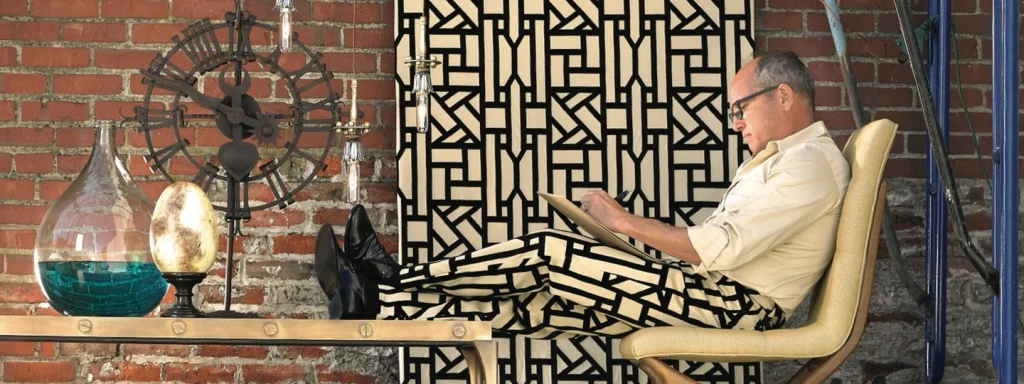
A Collection of Zimman’s Ads to Date
A Collection of Zimman’s Ads to Date

Zimman’s Featured in Boston Magazine Best of Boston 2023
Zimman’s Featured in Boston Magazine Best of Boston 2023
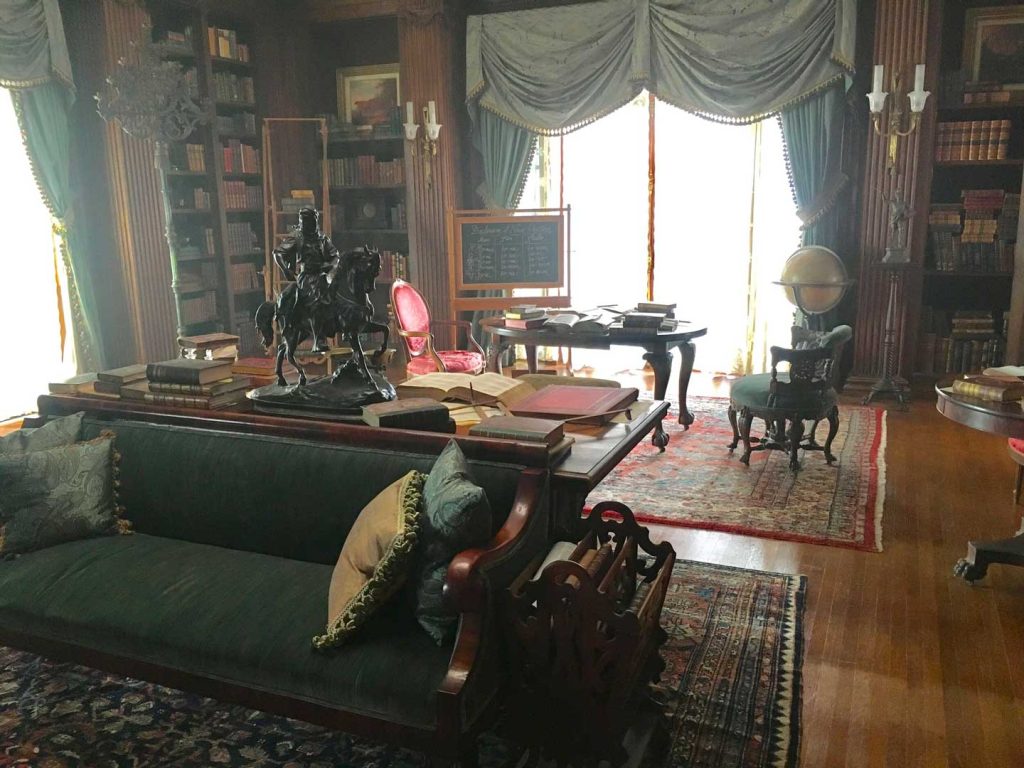
Fabrics from Zimman’s Dressed up the Sets in Little Women