

Melrose City Hall
Built in 1874 to designs by John Stevens, this Victorian civic building was extensively remodeled in 1937 following a fire. The Second Empire-style structure features distinctive architectural elements including a mansard roof and serves as the seat of municipal government for this historic Massachusetts city.
Phone: (781) 979-4100
Memorial Hall
Constructed in 1912 by architect George Newton using salvaged granite from the old Suffolk County Courthouse, this building serves as a granite monument with an auditorium in the rear. It is now home to the Melrose Symphony Orchestra, one of the oldest continuing community orchestras in the United States.
Phone: (781) 979-4110
Melrose Fire Station
Designed in 1895 by local architect Lewis A. Dow, this red brick fire station features a distinctive hose tower patterned after an Italian campanile and three round-arched bay doors. The building exemplifies late 19th-century civic architecture and continues to serve the community’s fire protection needs.
Phone: (781) 979-4120
Calvin Coolidge School
Built in 1897-1898 as the town’s high school, this educational landmark was designed by Boston architect Tristram Griffin. The building features Braintree granite ground floor and trim with unusual ornamental details, and was converted to an elementary school in 1933.
Phone: (781) 979-4140
Melrose Public Library
Constructed in 1904, this Carnegie library represents classical library architecture of the early 20th century. The building was added to the National Register of Historic Places in 1988, recognizing its architectural significance and continued service to the community as a center of learning and culture.
Phone: (781) 665-2313
The Beebe Estate
Built in 1828 by Boston merchant William Foster and his wife Hortense, this historic mansion exemplifies early 19th-century residential architecture. Now serving as headquarters for the Melrose Council on Aging, the front rooms host cultural and social events including art exhibits.
Phone: (781) 979-4258
Phineas Upham House
One of the historic homes belonging to the first citizens of Melrose, this well-preserved Victorian residence represents the architectural heritage of the city’s founding families. The house showcases the residential building practices and craftsmanship of the mid-19th century.
Phone: N/A
First Baptist Church
Part of the Melrose Town Center Historic District, this late 19th-century church building represents the important role of religious institutions in the community’s development. The Gothic Revival architecture features typical ecclesiastical elements of the period.
Phone: (781) 665-2222
Melrose Methodist Church
Another key component of the National Register Historic District, this Methodist church building reflects the diverse religious heritage of the community. The structure demonstrates the characteristic architectural features of late 19th-century Protestant church design.
Phone: (781) 665-3333
Phineas Sprague House
Dating to the early settlement period, this historic residence belonged to one of the founding families of Melrose. The house represents the architectural evolution from colonial to Victorian styles and demonstrates the building techniques used by the area’s early European settlers.
Phone: N/A
Lynde House
One of the well-preserved homes of Melrose’s founding citizens, this historic residence showcases the domestic architecture of the early settlement period. The house demonstrates the construction methods and design principles employed by the community’s pioneer families.
Phone: N/A
Downtown Melrose Historic District
Added to the National Register of Historic Places on April 1, 1982, this district encompasses the central business area featuring 19th and early 20th-century Victorian architecture. The district includes seven significant buildings representing the commercial and civic development of this suburban Boston community.
Phone: (781) 979-4100
Melrose Highlands Congregational Church
This beautiful church building represents the religious architecture of the Melrose Highlands neighborhood. The structure serves as both a place of worship and community gathering space, frequently hosting concerts and cultural events that contribute to the city’s civic life.
Phone: (781) 665-4444
Melrose-Wakefield Hospital Historic Building
The original hospital building represents early 20th-century medical facility architecture and the community’s commitment to public health. This brick structure demonstrates the institutional building practices of the era and continues to serve the healthcare needs of the region.
Phone: (781) 979-3000
Mount Hood Stone Tower
This historic stone observation tower, built from local granite, stands as a monument to the area’s geological and recreational heritage. The tower provides panoramic views of the surrounding landscape and represents early 20th-century park infrastructure development.
Phone: (781) 979-4180
Melrose Train Station Historic Platform
The historic elements of this Boston & Maine Railroad station represent the transportation infrastructure that transformed Melrose from a rural farming community to a suburban city. The platform and station building reflect the importance of rail transportation in the city’s development.
Phone: (617) 222-3200
Wyoming Cemetery Historic Sections
Established in the 19th century, this cemetery contains elaborate Victorian funerary monuments and family mausoleums that demonstrate the stonework and memorial arts of the period. The cemetery serves as an outdoor museum of 19th-century commemorative architecture and community history.
Phone: (781) 665-5555
Melrose Common Bandstand
This historic gazebo structure in the heart of Melrose Common represents the Victorian era tradition of public music performances and community gatherings. The octagonal bandstand features decorative woodwork typical of late 19th-century park architecture and continues to host community events.
Phone: (781) 979-4180
First Congregational Church
One of the oldest religious institutions in Melrose, this church building represents the continuity of congregational worship and community leadership. The Gothic Revival architecture features pointed arch windows and stone construction typical of mid-19th-century ecclesiastical design.
Phone: (781) 665-6666
Melrose High School Historic Building
The original high school building, now part of a larger educational complex, represents early 20th-century school architecture and the community’s commitment to public education. The brick and stone construction demonstrates institutional building practices of the Progressive Era.
Phone: (781) 979-2200
Also Read:
Fabric Stores Near Me: Where to Buy Quality Fabric Locally
Reupholstery Near Me: Quality Craftsmanship for Every Style
From Cozy to Chic: Finding the Best Furniture Store Near Me
Slip Covers for Sofa: The Ultimate Guide to Style & Protection
Our latest news & inspiration

Zimmans featured in Boston Magazine Best of Boston 2025
Zimmans featured in Boston Magazine Best of Boston 2025
Zimman’s Featured in Boston Magazine Best of Boston Home 2025
Zimman’s Featured in Boston Magazine Best of Boston Home 2025
A Collection of Zimman’s Ads to Date
A Collection of Zimman’s Ads to Date

Zimman’s Featured in Boston Magazine Best of Boston 2023
Zimman’s Featured in Boston Magazine Best of Boston 2023
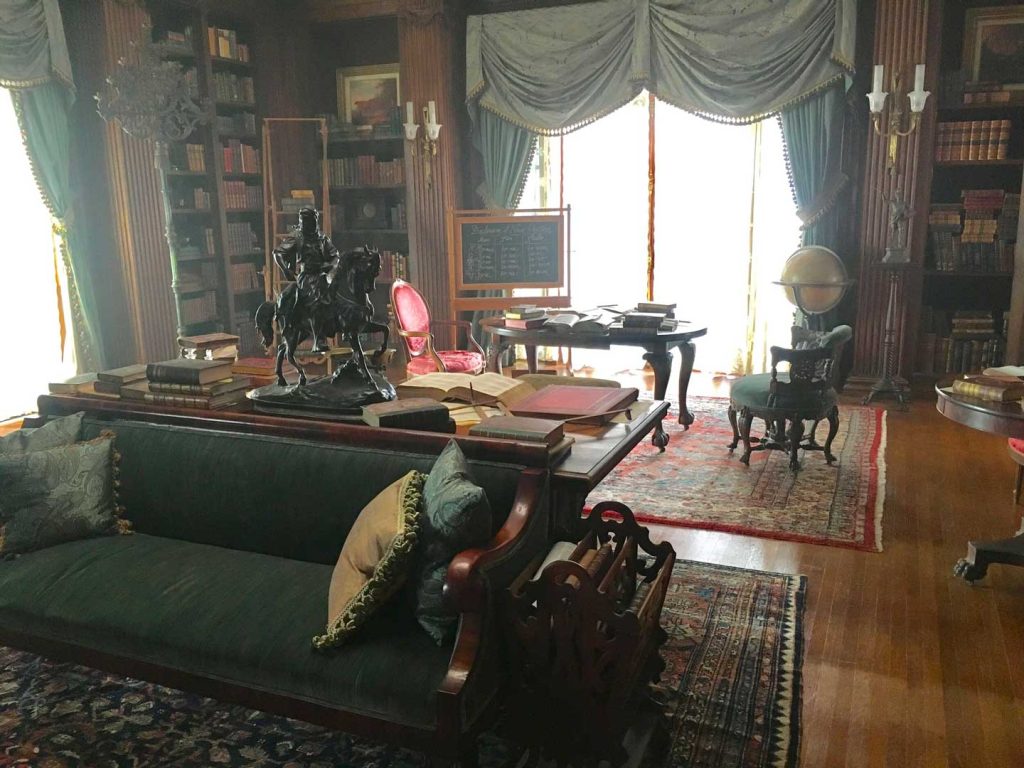
Fabrics from Zimman’s Dressed up the Sets in Little Women