

Manchester Town Hall (1868)
Anchoring the Town Common since 1868, this wood-clad civic hall houses the Select Board and archives that document everything from granite-quarry invoices to FEMA flood-wall designs. Preservation projects here provide reference specs for period sash windows and slate roofing replacements.
978-526-2000
First Parish Church (1809 Greek Revival)
With its fluted Doric columns and 1889 bell tower, this meetinghouse exemplifies timber-frame resilience in harsh coastal climates. Consultants studying steeple-shear and masonry anchoring often reference its 2021 lantern-deck restoration.
978-526-7661
Abigail Hooper Trask House (1823)
Now the Manchester Historical Museum, this Federal-style merchant’s home contains furniture ledgers and granite lintels that showcase early-19th-century joinery. Conservation architects tour its portico to study hand-cut feather-edge clapboards.
978-526-7230
Seaside No. 1 Firehouse (1885)
Built of locally quarried granite blocks, the town’s first horse-drawn engine house now preserves two 19th-century pumpers. Its restored twin doors are a case study in coastal-grade mahogany fabrication.
978-526-7230
Crowell Chapel (1903 Gothic Revival)
Rose-granite ashlar, oak box pews, and a Horace Phipps stained-glass window make this memorial chapel a textbook small-scale restoration project. Recent masonry grouting and HVAC retrofits keep humidity in check for art concerts.
978-526-2019
Crowell Memorial Library (1887 Richardsonian Romanesque)
Brownstone voussoirs, a slate cross-gable roof, and cast-iron cresting crown this library, gifted by T. J. Coolidge. Its 2022 envelope study inspires many North Shore window-rehabilitation specs.
978-526-7711
Masconomo Park Bandstand (1912)
This octagonal gazebo fronts the harbor with a poured-concrete foundation that was recently repointed to FEMA coastal-zone specs. Summer concerts here allow acousticians to test cedar-shingle soffit reverberation.
978-526-2019
Tuck’s Point Rotunda (1896)
Designed by E. A. P. Newcomb, this over-water pavilion sits on timber piles now slated for a climate-resilient rebuild at +19 ft NAVD88. Copper-clad dome repairs offer a benchmark for marine-exposure roof systems.
978-526-2019
Singing Beach Bathhouse (1920s)
Fin-wall framing and cedar shingles weather Atlantic spray while serving 120,000 beachgoers each season. Its 2020 ADA retrofit demonstrates best practices for historic bath-house accessibility.
978-526-2019
Powder House Hill Magazine (1810)
The circular brick magazine—with granite lintel and iron straps—stored militia gunpowder during the War of 1812. Its lime-based mortar analysis guides many Boston-North tuck-pointing specs.
N/A
Coolidge Reservation Ocean Lawn (1904 “Marble Palace” Site)
The Trustees steward the mown Ocean Lawn where McKim, Mead & White’s brick-and-marble Coolidge mansion once stood. Granite-bulkhead engineers study its surviving seawall for wave-run-up modeling.
978-526-8687
1661 Cemetery (Old Burying Ground)
Granite tabletop tombs and brownstone militias markers fill this quarter-acre hillside. Current iron-fence restorations test powder-coat systems for marine corrosion resistance.
978-526-7385
Union Cemetery (1860 Civil-War Burials)
Obelisk memorials and zinc “White Bronze” headstones here inform metallurgists restoring similar monuments across New England. Drainage retrofits mitigate root heave from heritage maples.
978-526-7385
Rosedale Cemetery & Stone Wall (1880)
A granite-capped perimeter wall—recently repointed with NHL 3.5 lime—frames Gothic revival gates. Projects here inform NEC masonry bids for adaptive-reuse landscapes.
978-526-7385
Winthrop Field (183-acre Scenic Easement)
Once a Gilded-Age horse pasture, this mow-and-bale grassland now serves as a living lab for stone-wall restoration and pollinator-corridor plantings. CPA-funded wall work showcases dry-laid granite craftsmanship.
978-526-2019
Bennett House (25 Bennett St, c. 1675)
The town’s oldest timber-frame dwelling features gun-stock posts and chamfered girts. Dendrochronology results guide replacement-beam sourcing for similar First-Period projects.
N/A
Allen Tavern (3 North St, c. 1714)
Once the village coaching inn, this saltbox retains its original beehive hearth and gun-room paneling. Energy audits here compare cellulose-insulation performance in 12-inch clapboard walls.
N/A
Dodge–Tuck House (4 North St, c. 1718)
This early Georgian residence showcases feather-edge sheathing and hand-wrought rose-head nails. Restoration carpenters reference its original sash-pulley system when fabricating replicas.
N/A
Moses Dodge Cabinet Shop (21 School St, est. 1761)
The modest gambrel shop where Moses Dodge launched Manchester’s famed chair-making industry now serves as a living lab for finish-analysis—shellac blooms still gleam on attic test boards.
N/A
Essex County Club Clubhouse (1893/1917 Donald Ross Estate)
Shingle-style massing overlooks Ross’s first U.S. golf course. Copper gutters, brick chimneys, and fieldstone terraces offer textbook examples of envelope maintenance on high-exposure hilltops.
978-526-7311
Also Read:
Fabric Stores Near Me: Where to Buy Quality Fabric Locally
Reupholstery Near Me: Quality Craftsmanship for Every Style
From Cozy to Chic: Finding the Best Furniture Store Near Me
Slip Covers for Sofa: The Ultimate Guide to Style & Protection
Our latest news & inspiration

Zimmans featured in Boston Magazine Best of Boston 2025
Zimmans featured in Boston Magazine Best of Boston 2025
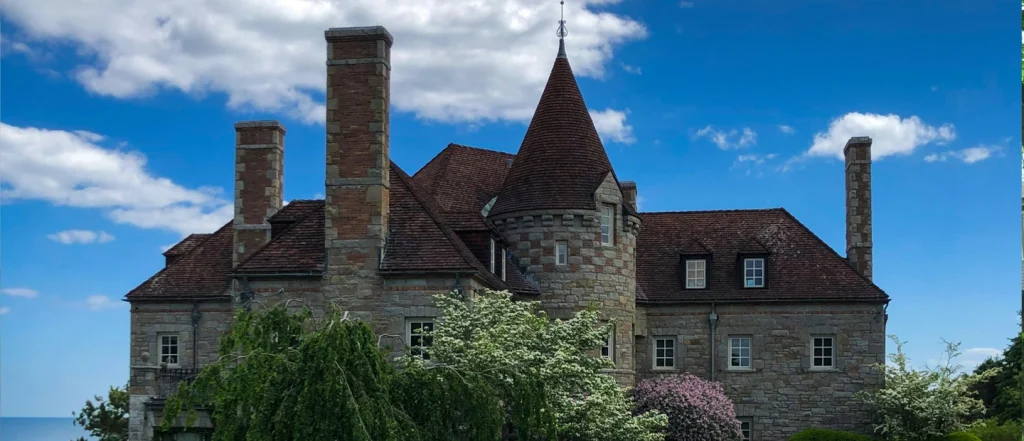
Zimman’s Featured in Boston Magazine Best of Boston Home 2025
Zimman’s Featured in Boston Magazine Best of Boston Home 2025
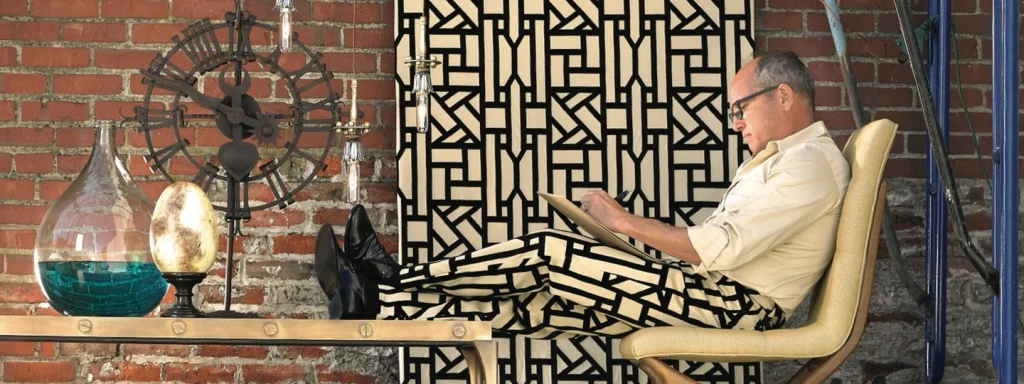
A Collection of Zimman’s Ads to Date
A Collection of Zimman’s Ads to Date

Zimman’s Featured in Boston Magazine Best of Boston 2023
Zimman’s Featured in Boston Magazine Best of Boston 2023
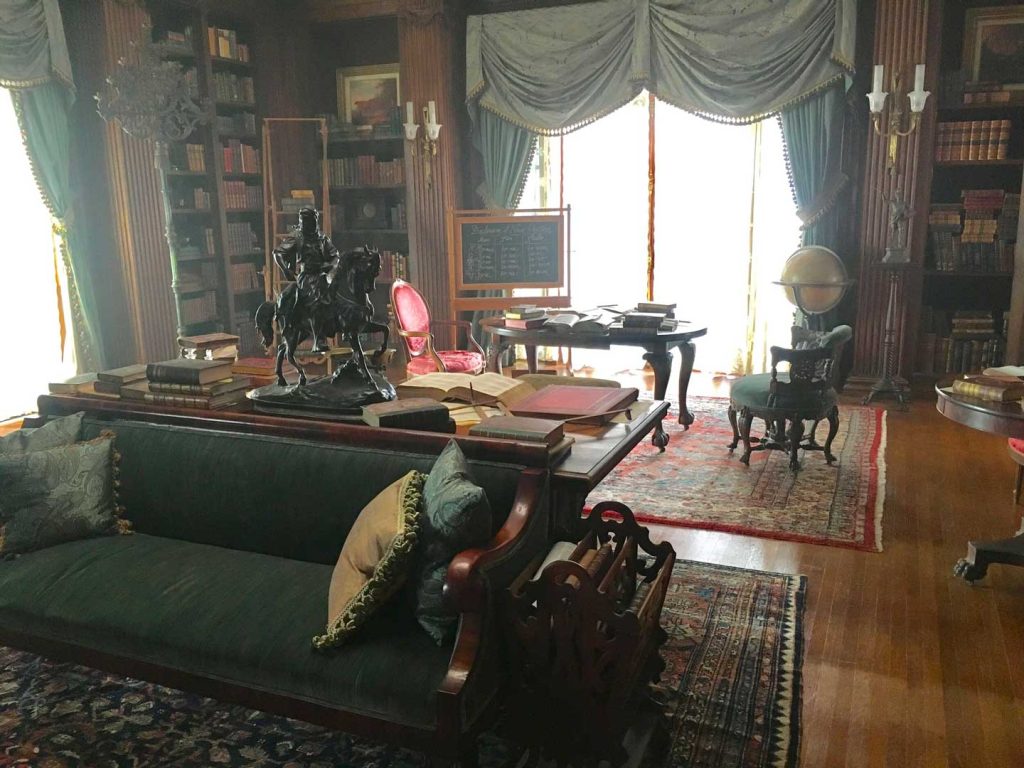
Fabrics from Zimman’s Dressed up the Sets in Little Women