

Cambridge City Hall
Cambridge City Hall, completed in 1889 in a robust Richardsonian Romanesque style, anchors the civic core along Massachusetts Avenue. Its granite and red sandstone exterior, deep-set arches, and prominent clock tower make it a key reference for masonry restoration, envelope repair, and window retrofits on late-19th-century municipal structures.
Phone: (617) 349-4000
Cambridge Public Library – Main Library
The main Cambridge Public Library on Broadway combines a restored 1889 stone and brick landmark with a glass-and-steel contemporary addition. The project is frequently cited as a model for integrating historic fabric with high-performance curtain walls, daylighting, and energy-efficient building envelopes in dense urban settings.
Phone: (617) 349-4040
Cambridge Historical Commission Headquarters
Housed in a historic masonry building along Massachusetts Avenue, the Cambridge Historical Commission administers the city’s two historic districts and multiple neighborhood conservation districts. For design teams, this office is the primary point of contact for approvals on exterior rehabilitation, cladding repairs, and additions within protected areas.
Phone: (617) 349-4683
Cambridge Common Historic District
Cambridge Common, a National Historic Landmark, is an 18th-century green that once hosted militia drills and Revolutionary War encampments. Today the park’s paths, monuments, and mature tree canopy sit alongside heavily trafficked streets, making it a valuable case study in balancing historic landscape preservation with modern drainage, lighting, and hardscape repair.
Phone (Parks & Forestry, City of Cambridge): (617) 349-4885
Old Cambridge Historic District (Brattle Street & Environs)
The Old Cambridge Historic District encompasses Brattle Street’s “Tory Row,” Cambridge Common, portions of Harvard Yard, and surrounding residential streets. It preserves a rich mix of Georgian, Federal, and Victorian houses that provide detailed precedents for wood clapboard restoration, porch reconstruction, and historically appropriate window and trim detailing.
Phone (Cambridge Historical Commission): (617) 349-4683
Longfellow House–Washington’s Headquarters National Historic Site
This Georgian residence on Brattle Street served both as Henry Wadsworth Longfellow’s home and George Washington’s headquarters during the Siege of Boston. Its finely detailed woodwork, symmetrical brick facades, and preserved interiors make it an important reference point for historically accurate millwork, paint analysis, and masonry conservation.
Phone: (617) 876-4491
Mount Auburn Cemetery
Founded in 1831, Mount Auburn Cemetery is recognized as America’s first rural garden cemetery and a National Historic Landmark landscape. Its family tombs, chapel, and monuments incorporate granite, marble, and sculpted metalwork, offering extensive examples for stone conservation, monument resetting, and sensitive accessibility upgrades in historic burial grounds.
Phone: (617) 547-7105
Hooper-Lee-Nichols House
The Hooper-Lee-Nichols House on Brattle Street is one of Cambridge’s oldest surviving residences, with a core dating to the late 17th century and later Georgian additions. Today it houses History Cambridge and showcases layered building campaigns, making it a useful precedent for phasing restoration work and differentiating new interventions from original fabric.
Phone (History Cambridge): (617) 547-4252
Elmwood
Elmwood, a Georgian mansion on Elmwood Avenue, is a National Historic Landmark long associated with figures such as Elbridge Gerry and poet James Russell Lowell. Now the residence of Harvard’s president, the house and grounds illustrate high-style 18th-century detailing and demonstrate how discreet security and mechanical upgrades can be integrated into a protected estate.
Phone (via Harvard University main): (617) 495-1000
Fort Washington Park and Historic District
Fort Washington Park in Cambridgeport preserves the last remaining Revolutionary War earthwork in the city, constructed under George Washington’s direction in 1775. Its low embankments, fencing, and interpretive elements present a compact example of landscape stabilization, erosion control, and sensitive site lighting in an archaeological setting.
Phone (Historic District inquiries – Cambridge Historical Commission): (617) 349-4683
Harvard Yard Historic Core
Harvard Yard is the university’s original campus, lined with brick academic halls and Georgian-inspired gates dating back to the early 18th century. The ensemble offers detailed prototypes for brick repointing, slate roofing, and wood window rehabilitation in institutional complexes that must also meet contemporary accessibility and life-safety codes.
Phone (Harvard University Visitor Center): (617) 495-1573
Widener Library, Harvard University
Widener Library, Harvard’s flagship library, is a monumental Beaux-Arts structure framing the south edge of Harvard Yard. Its grand stair, limestone cladding, and columned portico pose familiar challenges for water management, stone repair, and stair safety upgrades on early-20th-century institutional facades.
Phone (Widener Library information): (617) 495-2413
Harvard Art Museums
The Harvard Art Museums complex at 32 Quincy Street unites the Fogg, Busch-Reisinger, and Arthur M. Sackler Museums under a restored early-20th-century shell and contemporary glass roof. Its renovation demonstrates how to retrofit skylights, masonry envelopes, and climate-control systems for collections while preserving a landmark exterior.
Phone: (617) 495-9400
Memorial Hall and Sanders Theatre
Memorial Hall and its Sanders Theatre form a High Victorian Gothic landmark of polychromatic brick, stone tracery, and a soaring tower near Harvard Yard. The building’s complex rooflines, stained glass, and heavy timber interiors provide rich precedents for slate roof restoration, envelope moisture control, and acoustic upgrades in historic performance spaces.
Phone (Memorial Hall / Sanders admin office): (617) 496-4595
Christ Church Cambridge
Christ Church, facing Cambridge Common, is the city’s oldest surviving church building and an important Georgian parish church in New England. Its brick walls, tall windows, and timber roof trusses illustrate common issues of moisture migration, pointing compatibility, and steeple stabilization faced by congregations maintaining 18th-century sanctuaries.
Phone: (617) 876-0200
Harvard Square Conservation District
The Harvard Square Conservation District protects a dense mix of historic commercial blocks, transit structures, and civic spaces at the core of Cambridge. For developers and municipalities, it is an active laboratory for facade retention, adaptive reuse of upper floors, and storefront modernization that respects historic scale and materials.
Phone (Harvard Square Conservation District – Cambridge Historical Commission): (617) 349-4683
Cambridge KiOSK (Former Out of Town News)
The Cambridge KiOSK repurposes the historic Out of Town News kiosk in Harvard Square into a contemporary arts and visitor information hub. Its recent restoration retained the original roof, brick piers, and window rhythm while inserting modern systems, offering a clear template for adaptive reuse of small but iconic urban structures.
Phone: (617) 302-7423
MIT Great Dome and Barker Library (Building 10)
MIT’s Great Dome and Barker Library form the symbolic heart of the Institute, with a classical dome set over a reinforced concrete and limestone-clad base. The building’s sweeping steps, colonnades, and dome waterproofing illustrate how mid-20th-century research facilities can be upgraded for modern loading, insulation, and moisture control without losing their monumental character.
Phone (MIT main switchboard): (617) 253-1000
MIT Kresge Auditorium
Kresge Auditorium, designed by Eero Saarinen, is a thin-shell concrete structure whose dramatic domed roof appears to float above a fully glazed perimeter. The building is widely studied for its mid-century modern envelope detailing, acoustics, and the challenges of repairing exposed concrete shells and curtain walls in a harsh New England climate.
Phone: (617) 253-3913
Peabody Museum of Archaeology & Ethnology
The Peabody Museum occupies a late-19th-century brick academic building on Divinity Avenue, adjacent to other Harvard science facilities. Its heavy masonry walls, stone trim, and interior galleries present typical envelope and interior retrofit issues for museums seeking improved environmental control while avoiding damage to historic finishes.
Phone: (617) 496-1027
Also Read:
Furniture Store Cambridge: Where Style Meets Comfort
Custom Roman Shades in Cambridge: Style Meets Functionality
Transform Your Space: Expert Tips on Home Decor in Cambridge
Your Ultimate Guide to Window Treatment Services in Cambridge
Reupholstery Cambridge: Breathe New Life into Your Old Furniture
Custom Window Treatments in Cambridge: Tailored Elegance for Every Room
Our latest news & inspiration

Zimmans featured in Boston Magazine Best of Boston 2025
Zimmans featured in Boston Magazine Best of Boston 2025
Zimman’s Featured in Boston Magazine Best of Boston Home 2025
Zimman’s Featured in Boston Magazine Best of Boston Home 2025
A Collection of Zimman’s Ads to Date
A Collection of Zimman’s Ads to Date
Zimman’s Featured in Boston Magazine Best of Boston 2023
Zimman’s Featured in Boston Magazine Best of Boston 2023
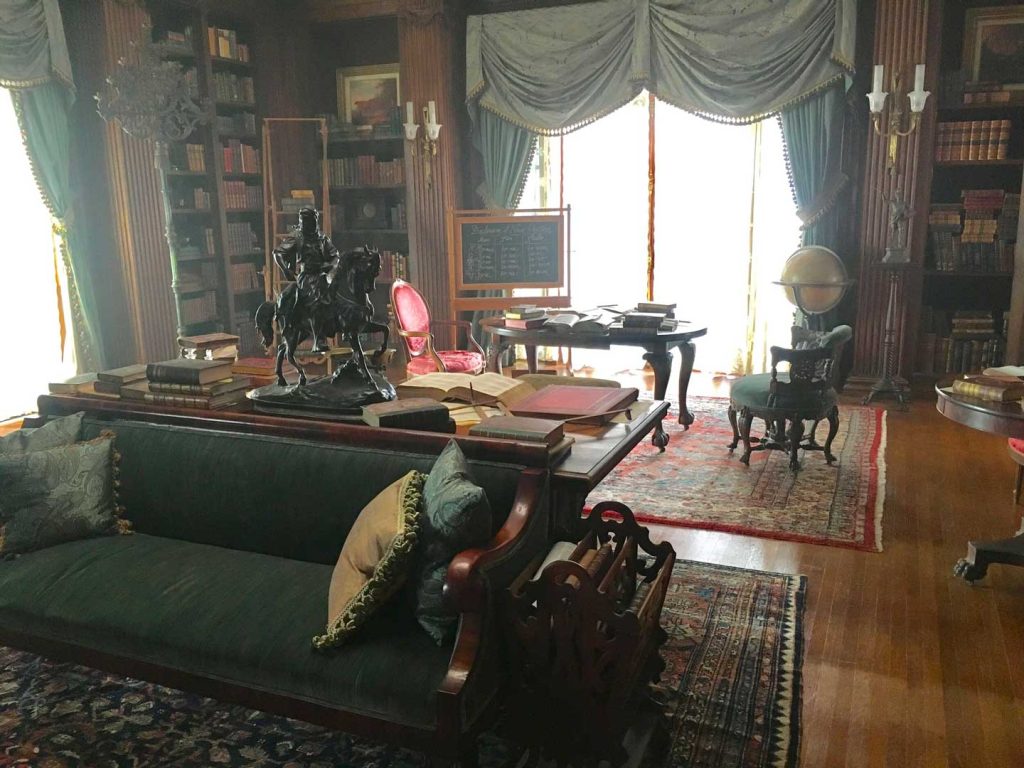
Fabrics from Zimman’s Dressed up the Sets in Little Women